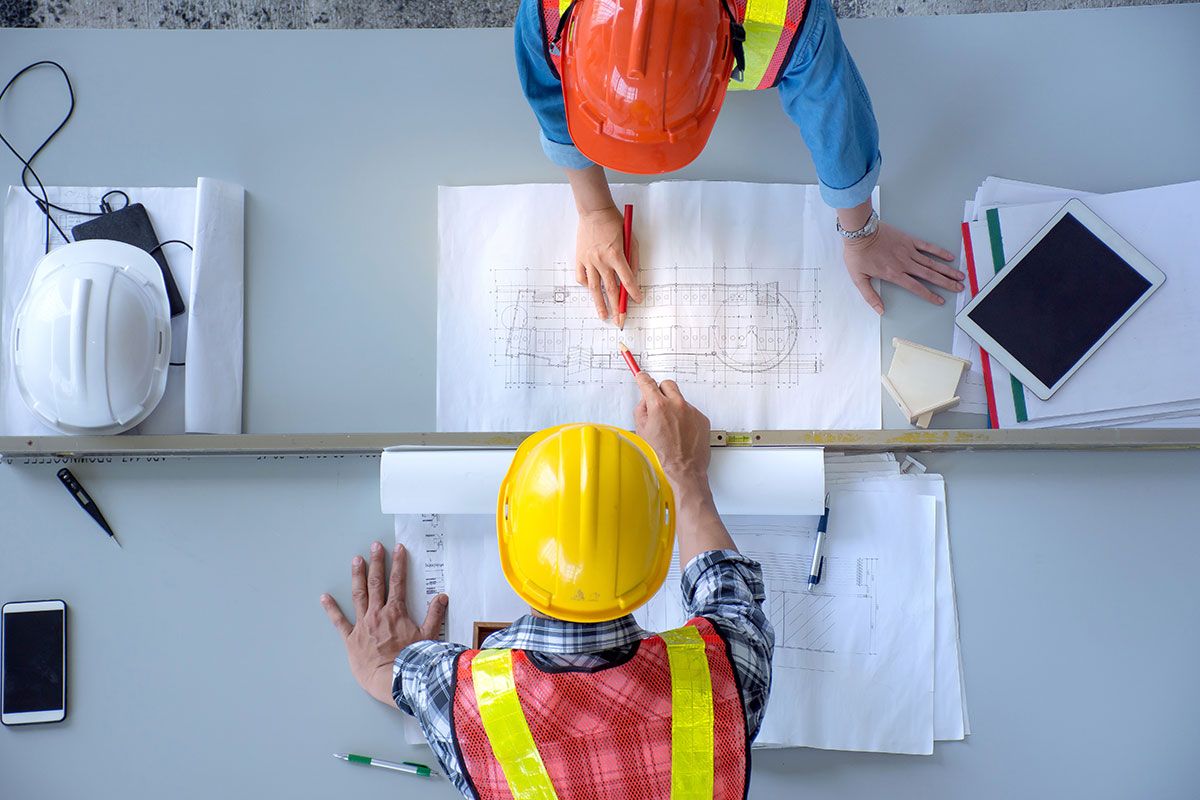
Real estate development is changing faster than it ever has before. Costs are rising, timelines are getting tighter, and demand in key markets is becoming more competitive. Over time, I have learned that success in this industry is not just about finding the right land or the right building. It is about finding better ways to build. That is a big part of why I have been focused on modular construction and new building technologies through my work with CTC Real Estate.
For me, modular construction is not just a trend. It represents a shift in how we think about efficiency, predictability, and scale in development. It allows us to approach projects in a way that reduces risk, improves timelines, and creates more consistent outcomes. In markets like New England, where zoning, labor, and weather can create real challenges, these advantages matter even more.
Why Construction Efficiency Matters More Than Ever
One of the biggest challenges in development today is time. Every month of delay adds cost, uncertainty, and exposure to market shifts. Traditional construction methods can be effective, but they are often vulnerable to delays from weather, labor shortages, and supply chain issues.
Through CTC Real Estate, I have become increasingly focused on how we can build smarter rather than just build bigger. Efficiency is not about cutting corners. It is about removing unnecessary friction from the development process. When you can control timelines more effectively, you can also control risk more effectively.
That is where modular construction becomes especially interesting. It introduces a level of predictability that is hard to achieve with traditional builds alone.
What Modular Construction Actually Changes
Modular construction changes the way buildings are delivered. Instead of building everything on site from the ground up, large portions of a structure are built in a controlled environment and then assembled on site. This approach allows for better quality control, faster production timelines, and reduced weather-related delays.
From my perspective, one of the most important advantages is consistency. When components are built in a controlled setting, you reduce variability. That leads to more predictable outcomes, both in cost and in schedule. For investors and developers, that predictability is extremely valuable.
It also allows us to think differently about project sequencing. While site work is happening, building components can already be under construction offsite. That parallel process shortens the overall timeline and allows for faster delivery to market.
How This Fits Into New England Markets
New England presents a unique set of challenges and opportunities for development. In many of the markets we focus on, there are strict zoning requirements, limited available land, and high demand in specific corridors. These conditions make efficiency even more important.
Whether we are working on multifamily housing, extended stay hotels, or mixed-use developments, speed to market can be a major advantage. Being able to deliver projects faster means we can respond more effectively to demand in areas near universities, military bases, coastal regions, and major interstate corridors.
Modular construction does not solve every challenge, but it helps us operate more effectively within these constraints. It allows us to enter markets where traditional timelines might otherwise make a project less viable.
Balancing Modular and Traditional Methods
It is important to be clear that modular construction is not about replacing traditional building methods entirely. In my experience, the best results come from combining approaches based on the specific needs of each project.
Some developments are better suited for full modular builds, especially when speed and repetition are key. Others benefit more from a hybrid approach where certain components are modular while others are built on site. And in some cases, traditional construction still makes the most sense, especially when design complexity is high or site conditions require flexibility.
At CTC Real Estate, we focus on using the right method for the right project. The goal is not to force a single solution, but to use innovation where it creates real value.
Innovation Beyond Construction
When people think about modular construction, they often focus only on the physical building process. But for me, the bigger picture is about innovation across the entire development lifecycle.
That includes design standardization, supply chain coordination, financing structures, and long term asset management. If we can streamline how a project moves from concept to completion, we create value at every stage.
For example, better predictability in construction timelines can improve financing terms. More efficient builds can reduce carrying costs. Faster delivery can improve lease-up or occupancy performance. These effects compound over time and strengthen the overall investment profile.
The Role of Technology and Data
Another important part of this shift is the role of technology. Data is becoming a major driver in how we evaluate, design, and execute projects. From site selection analysis to construction tracking, better data allows us to make more informed decisions.
Modular construction fits naturally into this environment because it is more structured and measurable. When processes are standardized, it becomes easier to track performance and identify areas for improvement. Over time, this leads to better outcomes and more refined development strategies.
I believe we are still in the early stages of how modular construction will impact real estate development. As technology improves and more builders adopt these methods, we will likely see even greater efficiency gains and broader adoption across different asset types.
For CTC Real Estate, the focus will continue to be on how we can use these tools to build better projects in the markets we care about most. That means being thoughtful about where we apply modular methods, how we integrate them with traditional construction, and how we align them with long term demand fundamentals in New England and beyond.
Final Thoughts
At the core, real estate development is about solving problems. It is about taking land, ideas, and capital and turning them into functional, valuable spaces. The better we become at solving those problems, the more impact we can create.
Modular construction is one of the tools that helps us do that more effectively. It is not a complete answer, but it is an important part of the evolution of how we build. For me, the goal is simple. Build smarter, reduce unnecessary risk, and deliver projects that serve both investors and communities in a more efficient and thoughtful way.