Sports have always been a big part of my life. Growing up, playing multiple sports, and later competing at a high level in soccer taught me how important access and opportunity really are. Looking back, I can see how many of those opportunities came from having the right fields, facilities, and spaces to train and compete. That experience has shaped how I think about real estate development today through my work with CTC Real Estate, especially when it comes to indoor and outdoor athletic complexes.
These projects are not just about building sports facilities. They are about creating community spaces that bring people together, support youth development, and strengthen the long-term value of a location. In many ways, athletic complexes sit at the intersection of real estate, health, education, and community growth.
Why Athletic Facilities Matter More Than People Think
When people think about real estate development, they usually think about housing, hotels, or commercial buildings. Athletic complexes are often overlooked, but they play a much bigger role than most people realize.
A well-designed sports facility becomes a hub for activity. It attracts youth programs, school teams, adult leagues, tournaments, and even regional events. That constant activity creates consistent demand for surrounding services like food, retail, lodging, and transportation.
From a development perspective, that kind of steady traffic is valuable. It supports both economic activity and long-term stability in a way that few other asset types can match.
Indoor and Outdoor Spaces Serve Different Needs
One of the most important things I have learned is that indoor and outdoor athletic facilities serve different but complementary roles. Outdoor fields are essential for traditional sports like soccer, lacrosse, and football. They support seasonal leagues and community recreation, and they often become focal points for larger regional events.
Indoor facilities, on the other hand, provide year-round access. In places like New England, where weather can limit outdoor play for part of the year, indoor spaces are critical. They allow training, leagues, and tournaments to continue regardless of conditions.
When you combine both indoor and outdoor components in one development strategy, you create a much more flexible and resilient asset. That flexibility is key to long-term success.
Community Impact Is the Real Value
At CTC Real Estate, we think a lot about community impact when evaluating projects. Athletic complexes are one of the clearest examples of how real estate can directly improve quality of life.
These facilities give young athletes a place to train, compete, and grow. They create safe environments where kids can stay active and engaged. They also provide spaces for families to gather, support their communities, and build connections with one another.
Beyond youth sports, these complexes also support adult recreation, local leagues, and wellness programs. That broad usage means they serve multiple parts of the community, not just one group.
When a facility becomes a true community hub, it creates value that goes beyond financial returns. It builds identity and pride within a region.
The Economic Ripple Effect
Athletic complexes also generate strong economic ripple effects. Tournaments and regional events bring in visitors who need hotels, restaurants, and transportation. Local businesses benefit from increased traffic, and municipalities often see indirect gains from the activity generated by these facilities.
In many cases, a single well-placed complex can transform the economic activity of an area during peak seasons. This is especially true in markets near universities, suburban corridors, and growing residential communities.
For us, this is an important part of the investment strategy. We are not just building facilities. We are building engines of local economic activity.
Strategic Site Selection in New England
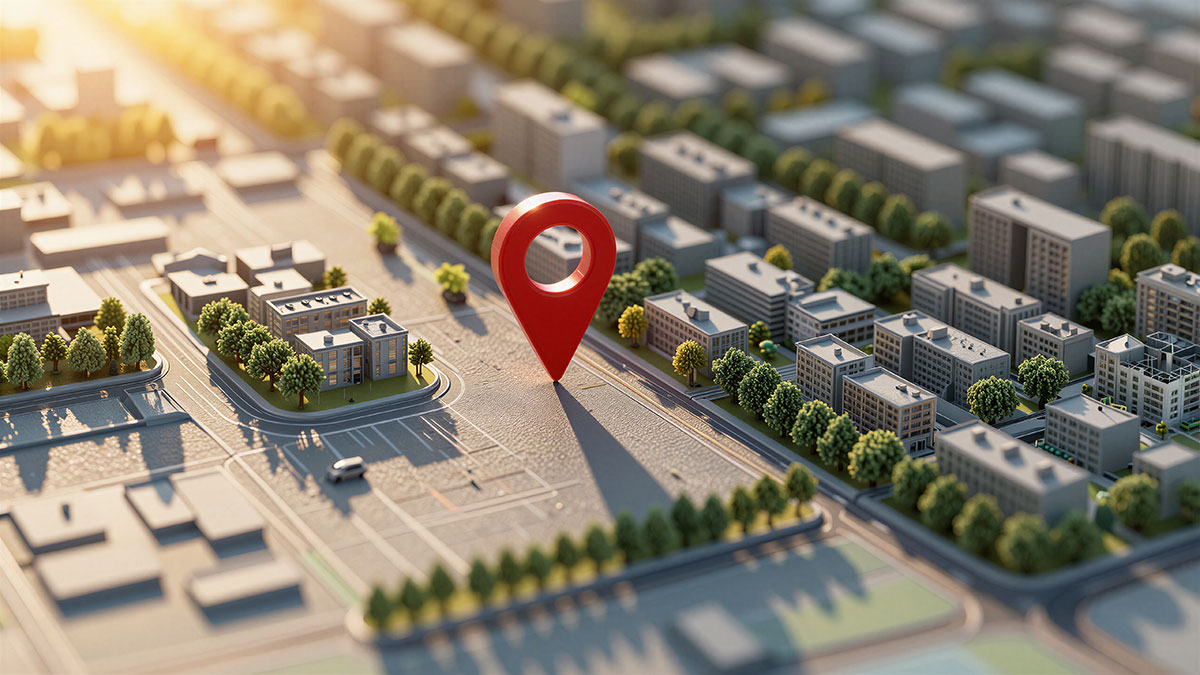
Location is critical when it comes to athletic complexes. In New England, we focus on areas that already have strong demand drivers such as population density, school systems, universities, and accessibility to major highways.
We also look at gaps in infrastructure. In some regions, there is clear demand for more athletic space but not enough supply. Identifying these gaps allows us to position projects where they can have the most impact.
Proximity matters as well. Being near residential areas makes it easier for families to access facilities regularly. Being near interstate routes makes it easier to host regional events and attract teams from multiple areas.
Designing for Flexibility and Long-Term Use
One of the key principles in developing athletic complexes is flexibility. Sports needs change over time. New programs emerge, participation levels shift, and community priorities evolve.
Because of that, we focus on designing facilities that can adapt. Fields and indoor spaces need to support multiple sports, age groups, and event types. The more flexible the design, the more useful the facility becomes over time.
This approach also helps protect long-term value. A facility that can evolve with community needs is far more sustainable than one built for a single purpose.
Athletic Complexes as Part of a Larger Ecosystem
At CTC Real Estate, we do not see athletic complexes as standalone projects. We see them as part of a broader development ecosystem that includes multifamily housing, hospitality, and community infrastructure.
When you combine housing near athletic facilities, you create strong demand synergies. Families want to live near recreational opportunities. Hotels benefit from tournament traffic. Local businesses benefit from consistent activity.
This interconnected approach is what makes these projects especially powerful in the right locations.
Athletic complexes represent more than just sports infrastructure. They are community anchors, economic drivers, and long-term value creators when developed thoughtfully.
For me personally, this type of development connects back to my own experiences in sports. I understand what it means to have access to the right facilities and how much that can shape a person’s path. That perspective is something I carry into every project we evaluate at CTC Real Estate.
The goal is not just to build facilities. The goal is to build places where people can grow, connect, and stay active for years to come. When done right, athletic complexes become much more than real estate projects. They become part of the fabric of a community.